Meet the Developers-in-Residence Transforming 500 South Salina St.
发表于 |
Image
|
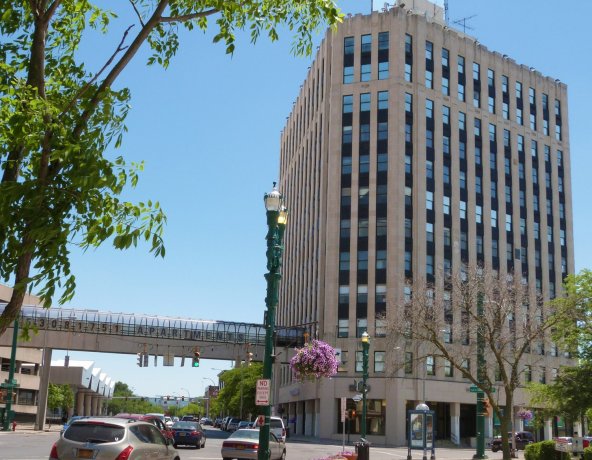
Redevelopment of 500 South Salina Street, also known as the Chimes Building, is the latest investment in downtown Syracuse’s southwestern corridor. Led by the Allyn Family Foundation with collaborators like CenterState CEO, this is a chance to expand a vision of benevolent commercial real estate development and long-term community prosperity.
The Chimes Project includes two “Developers-in-Residence,” funded by the Allyn Family Foundation and KeyBank. This one-year position is designed as an opportunity for developers from underrepresented backgrounds to learn more about major construction and redevelopment projects and then use that knowledge to advance their own business or support others.
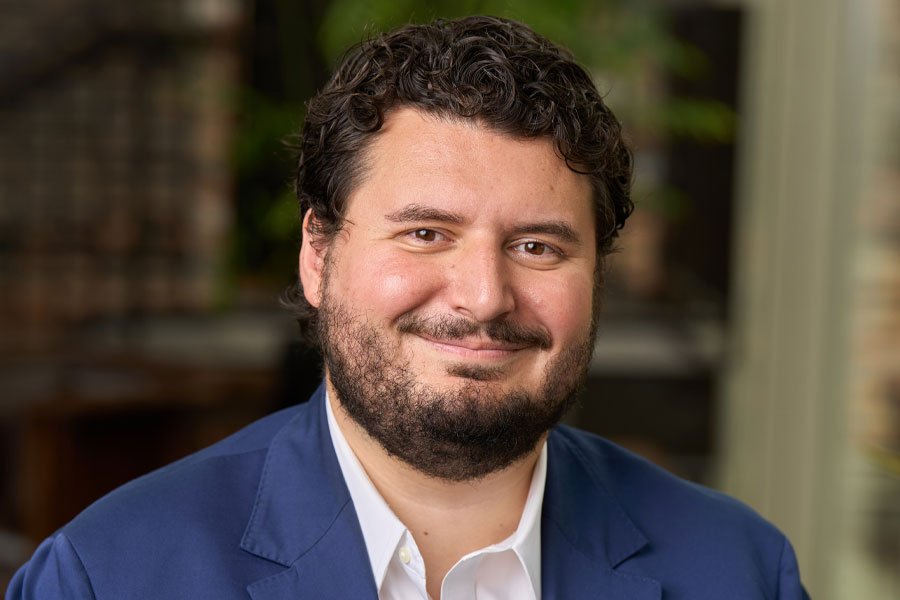
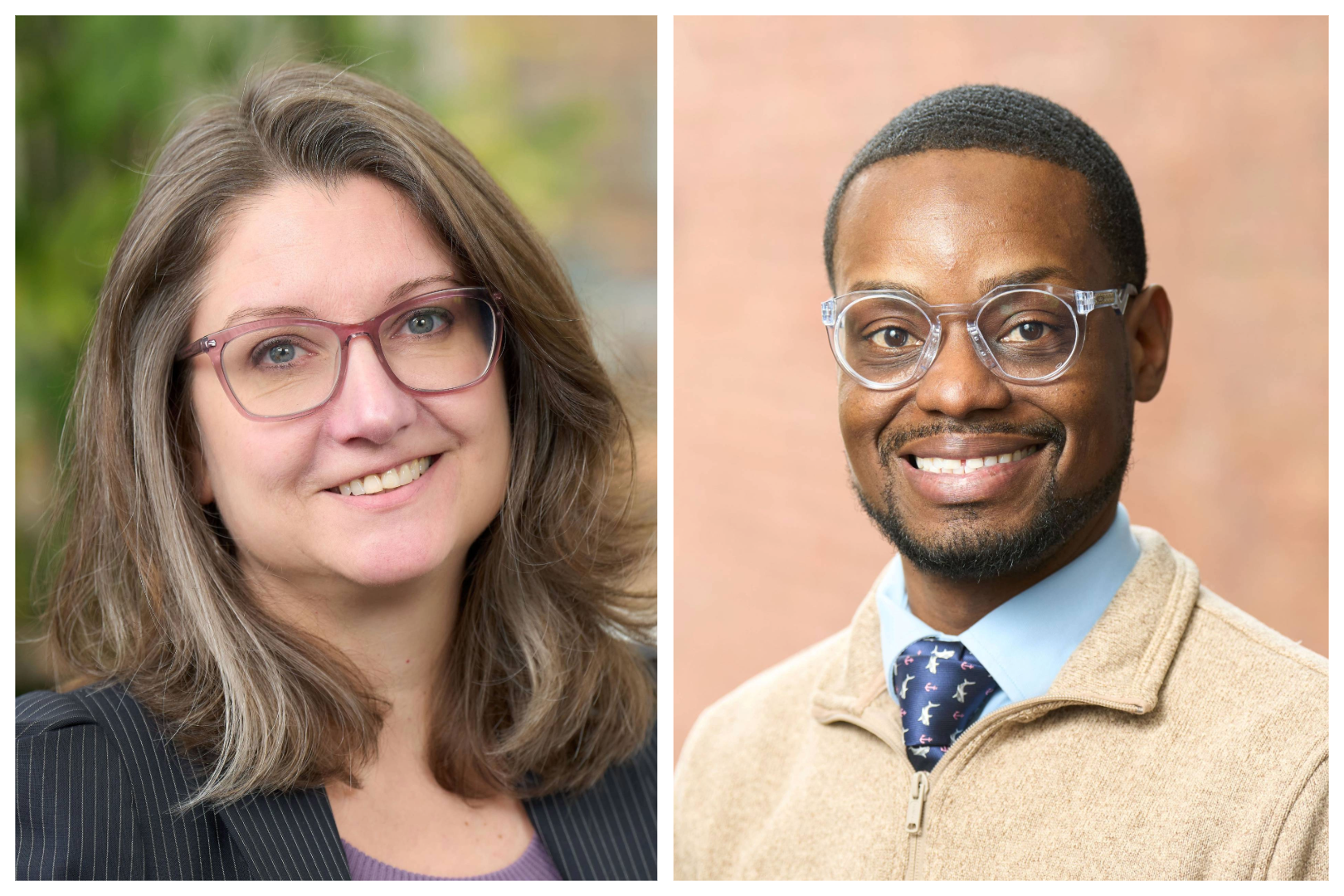
The two first Developers-in-Residence, Lauren Bolden and John Giles Jr., began working with the Chimes Project in fall 2023. In recent interviews, they discussed their journeys working on the project and why they believe this development is important.
LAUREN BOLDEN
How did you find out about the Developer in Residence position?
At the time I was working on building a capital stack for another development project. I was often working out of Salt City Coffee located in Salt City Market and kept seeing Maarten walking through the coffee shop. I knew of him from the Near Westside Initiative and thought it might be a good idea to introduce myself, being interested in his development experience. Upon this introduction and explaining my current project, he mentioned he was putting together the Developer-in-Residence program as a way for aspiring developers to learn about the process. Knowing Maarten has a lot of experience and being interested in the work that the Allyn Foundation is doing, I was intrigued. We met up a few times after that to discuss the potential of the program.
What skills do you hope to gain during your time in the Developer-in-Residence position?
There are so many benefits to being in the Developer-in-Residence program. The main thing I hope to take away is learning how the Allyn Foundation and SEED develop in an ethically responsible, community forward way. Both organizations have an amazing mission, and I am glad to be a part of the solutions they are putting forward to address housing inequity here in Syracuse.
How do you feel you’ve grown since starting on the project?
I have enjoyed getting to know some of the professional organizations involved in the design phase of the Chimes building so far. It has been a real pleasure working with InArchitects and Hayner Hoyt, as well as a host of other organizations.
As my professional network grows, I am also seeing how complicated a renovation project of this size is. There are an incredible number of moving parts, from fundraising and capital stack building, design and schematics, to navigating all the city requirements. At the same time, SEED is self-imposing additional requirements that take into account certain affordable housing goals, green initiatives and the immediate community needs and concerns. Meeting all these demands really does require the right team.
What does it mean to you, personally, to be a part of the Chimes redevelopment?
First, I feel lucky to be working with SEED, the Allyn Foundation and with such inspiring people. It has been great to see how organizations like these are capable of working together in pursuit of bettering a community’s standard of living, which is meaningful to me. As far as what working on the Chimes building means to me, it is such a great project. Not only is it a historic renovation, which my design and art background loves, but we are putting in [152] units of mixed income housing. Our hope is to make this a repeatable model for more equitable housing here at home in Syracuse, as well as nationally.
Why do you think this kind of development is important for Syracuse?
A 2023 study of the state of housing stock in the city of Syracuse pointed to several issues that have caused the overall quality of housing in Syracuse to decline. Nothing in the report was shocking. However, a key takeaway did point to a necessity for a combination of government and private investments in the current housing stock to stimulate a boost in development activity. An increase in these kinds of investments is needed to see an improvement in the overall quality of housing available. Makes sense, right?
However, private investments are largely motivated by profits, so the initial investments will have to come from government organizations, building owners already heavily invested in the area through preexisting businesses, and nonprofit organizations like SEED and Allyn Foundation. Obviously, I am ignoring the kind of investment aimed at student housing. There is nothing wrong with student housing development in general, it just has a very different metric for investment which is easier for the out-of-town investor to profit from, and it’s why we are seeing a lot of development activity on the Eastside. If we can sustain enough local and nonprofit investments, economic factors will shift, making the Syracuse investment environment locally more self-sustaining. SEED is an important part of that solution.
Additionally, there is a serious lack of affordable housing in Syracuse, as well as an incredible poverty rate. It is really unbelievable. In the Chimes Development, there will be a fairly even distribution of housing price points, which will allow for a truly mixed income environment. Everyone benefits from a mixed income housing model. Everyone.
I am hopeful the kind of mission driven investment like we are seeing in the Chimes building will inspire others to do the same, and this program, Developer in Residence, is a step toward empowering others to do the same. Having the knowledge and experience to be able to go out into the community and help others do development for themselves, I hope to enable current and future, local entrepreneurs and developers to build generational wealth that will stay local here in Syracuse. This is an opportunity to make long lasting changes here, and I am hopeful for our future as a city.
John Giles Jr.
How did you find out about the Developer in Residence position?
I found out about the position via Dominic Robinson after connecting with him through a colleague at Syracuse University Maxwell School.
What skills do you hope to gain during your time in the Developer in Residence position?
I hope to track the process of private large-scale construction from inception to occupancy and specifically learn about the real estate process as it relates to securing additional funding and development. I’ve also learned how to create and use a pro forma in real-estate.
How do you feel you’ve grown since starting on the project?
I have definitely grown as a professional architectural project manager, especially as a coordinator, now having participated in the multiple layers of interactions and relationships required to make something this big happen! Real estate development is multifaceted and fast-paced, and the architectural piece is central at all points of the process. However, the key thing is building relationships, understanding complex relationships between space and stakeholders, and leveraging every connection to resources that is available to make it happen.
What does it mean to you, personally, to be a part of the Chimes redevelopment?
I feel like this has been one of the most purposeful assignments I have had the privilege to work on. My voice, perspective and even expertise had been excluded more times than I can count as a Black man working in the city of Syracuse. But this group has synergy and balance, and I know that was intentional, not just an accent to meet some quota.
Why do you think this kind of development is important for Syracuse?
This level of development will provide an unprecedented model for collaboration and inclusive design at a scale that will be recognized nationally. The goal of SEED Syracuse [the nonprofit leading the Chimes Project] to replicate these processes throughout Syracuse at other scales in provided, necessary spaces for the city is selfless and perpetual. The way things are being done is out of the norm. We are all learning more and more from each other with each phase.
John Giles Jr. has since stepped away from his role as a Developer-in-Residence with SEED Syracuse to take a full-time position in his professional field of architecture and development.
其他
首席执行官新闻