CenterState CEO Shares Phase 1 COVID-19 Business Impact Survey Results
发表于 |
Image
|
In response to COVID-19 CenterState CEO rapidly reprioritized and shifted how it deploys staff and resources to support members and stakeholders, and meet the emerging needs of the community. The guiding framework for these efforts is: Assess. Respond. Mitigate. Recover. To begin to assess the impacts of the COVID-19 pandemic on the businesses, institutions and nonprofits throughout the region CenterState CEO launched a Phase 1 COVID-19 Business Impact Survey, and in parallel, an ambitious effort to reach out to more than 1,500 members directly.
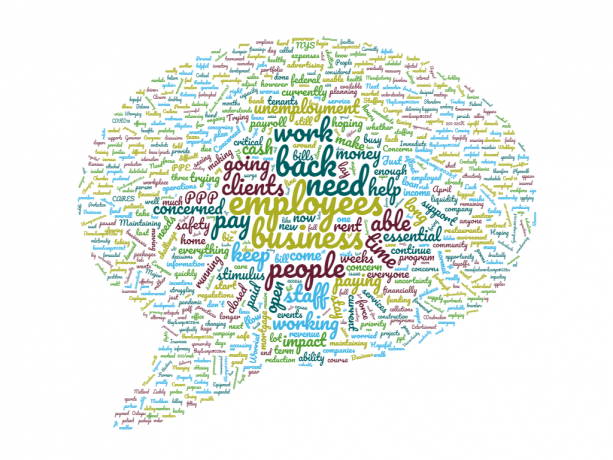
More than 240 Phase 1 COVID-19 Business Impact Survey responses were received between March 19 and April 8, providing CenterState CEO with critical, real-time insights into the disruptions businesses and nonprofits are experiencing. This data is informing the organization’s early response efforts and guiding conversations with elected officials at every level. The survey results represent a cross-section of industries and a broad range of company sizes, with more than half of companies between 1 and 50 employees. As part of its direct outreach to members,
CenterState CEO also recorded the impacts on individual businesses, as well as their concerns and the actions they are taking.
For most survey respondents, a rapid decrease in customers and sales is the primary concern, with employee well-being and cash flow following close behind. Responses indicated that these concerns will only grow in size and scale the longer this economic shutdown continues. Additionally, access to timely, trustworthy information, emerging relief programs and community resources are top needs.
In response to these pressures, businesses are cutting costs by reducing operation hours and making cuts to payroll through layoffs and reductions in shifts. The growing majority of businesses have concerns with revenue, customers and employees, and cash flow, though concerns about supply chains is increasing over time.
The survey also shows that businesses are offering more online and virtual services, developing work from home policies and offering discounted sales. New demand in critical supplies and household necessities, such as food and grocery, has led to a limited amount of new hiring, with 10% of those surveyed saying that they are seeking new employees. One out of five manufacturers reported an increase in demand that required hiring new employees.
Key Findings from Phase 1 COVID-19 Business Impact Survey
- 10% are looking to hire employees to meet new demand.
- 1 out of 5 manufacturers reported an increase in demand requiring hiring.
- 35% of businesses are offering discounted sales as a response.
- 55% of business have experienced a decrease in demand resulting in layoffs, decreased operation hours, shifts, or work days.
- 34% of businesses now say that supply chain impacts are high or of the highest impact. This is up from 15% on March 23.
- Biggest differences in felt across industries, company size, changes over time.
- Cash flow concerns increase over the mid-term.
Understanding the needs of businesses has allowed CenterState CEO to:
- Prioritize the frequency of communication and the broadening of its communications channels;
- Stand up a rapid response team to provide real-time analysis and direct support to businesses impacted by evolving public health and governmental guidance;
- Act as a community connector, helping those with critical needs connect to resources;
- Assist companies in redeploying their manufacturing capabilities to meet needed demand for personal protective equipment;
- Assist companies in accessing new capital and relief programs; and
- Develop an evolving calendar of new programming, including webinars to add the most timely and relevant value during your time of need.
Already, the demand for some of these services has evolved as new circumstances arise. As such CenterState CEO is asking for continued feedback through its new Phase 2 COVID-19 Business Impact Survey, launched on April 9. As of April 15, more than 50 responses have been received from the Phase 2 Survey.
Initial findings from CenterState CEO’s Phase 2 COVID-19 Business Impact Survey:
- Revenue and customers are ongoing challenges.
- Many companies have had to reduce payroll, but some companies are seeking to add employees.
- 75% have applied for Paycheck Protection Program.
- Remote work access is a growing concern.
CenterState CEO will continue to track responses to the Phase 2 COVID-19 Business Impact Survey and provide resources updates on its COVID-19 Business Resources page. It also will respond to immediate questions or concerns at [email protected].
其他
首席执行官新闻