The winter blues are real, and COVID may make it worsePosted on February 9, 2021 |

 |
Some people love the cold weather months. They eagerly bundle up for a brisk walk, they hit the ski slopes, they huddle by a window to watch the snowflakes float to the ground. But for other people, this is a dreary time of year filled with feelings of loneliness and malaise known as the winter blues.
“The winter blues doesn’t have a formal diagnosis, but it is very real,” said Dr. Sudha Bakshi, a psychiatrist and medical director for behavioral health at Excellus BlueCross BlueShield.
Feeling sad during the winter may also be a sign of seasonal affective disorder (SAD), which is a formally diagnosed disorder that often occurs this time of year when we have fewer hours of daylight. According to the National Institute of Mental Health, millions of adults in the U.S. may suffer from SAD, but many are not aware that they have the condition. Women experience SAD more often than men.
“This year, we must also acknowledge the pandemic, and its impact on mental health,” said Bakshi. According to a Kaiser Family Foundation poll conducted in mid-July of 2020, 53 percent of U.S. adults reported that their mental health had been negatively impacted by worry and stress over the coronavirus.
“In times of stress, people often self-medicate,” said Bakshi. According to a 2020 national survey from the Blue Cross Blue Shield Association, certain negative behaviors that can impact anxiety, depression and substance use disorders have increased during the pandemic, including:
- 23 percent increase in alcohol consumption
- 19 percent increase in smoking
- 15 percent increase in vaping
- 13 percent increase in non-medical drug use
Prior to the pandemic, on average, one in five U.S. adults experienced a mental health condition in a given year, making mental illness more common than cancer, diabetes or heart disease. The myths and the stigma that surround mental illness can result in feelings of shame and isolation that can cause affected persons to deny symptoms and delay treatment.
“If there is any good news to come from the COVID-19 pandemic, it is the rapid adoption of telemedicine and the resulting increase in access to behavioral health services,” said Bakshi. Behavioral health services include treatment for mental health conditions and substance use disorders.
According to an analysis of health plan claims data by Excellus BCBS, there were about 950,000 telemedicine visits for behavioral health services from January to December 2020, which is a 13,000 percent jump in telemedicine visits for behavioral health compared to the same time period in 2019.
“Telemedicine for behavioral health services isn’t for everyone and every situation,” said Bakshi. “A conversation with your primary care provider is a good place to start if you have concerns about the winter blues or seasonal affective disorder.”
Check with your health insurer to learn which telemedicine providers are recommended by your health plan. Other resources include the National Alliance on Mental Illness at https://www.nami.org/Get-Involved/Awareness-Events/Mental-Health-Month, and the U.S. Centers for Disease Control and Prevention at https://www.cdc.gov/coronavirus/2019-ncov/daily-life-coping/managing-stress-anxiety.html.
Other Network News


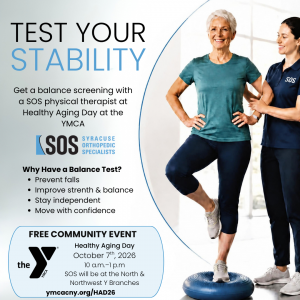
October 2, 2026SOS Supports YMCA Healthy Aging Day, Promoting Balance, Stability and Independence in the CommunitySyracuse Orthopedic Specialists (SOS) is proud to sponsor the YMCA of Central New York’s Healthy Aging Day on October 7, an event focused on helping adults stay active, connected and engaged. |

October 1, 2026Turning Stone’s New Luxury Hotel, The Crescent, Recognized as Top Casino Hotel in America by AAA Diamond ProgramThe honor comes just months after The Crescent opened its doors and weeks after Turning Stone’s transformation into New York’s largest meetings and conventions resort with the 225,000 square foot The Grand Expo. |